
 Back to overview
This is how you choose the right aerosol for each patientNews
Evie Knaepen

Aerosol therapy is a proven and widely used method for administering medication for respiratory conditions such as asthma, bronchitis, and COPD. But which device should you choose in which situation? In this article, we’ll help you make the right choice based on the patient, the application, and the care setting. We’ll explain exactly what aerosol therapy entails, the different types of inhalers available, and highlight three professional devices.

What is an aerosol?
An aerosol is a device that converts liquid medication into a fine mist that is inhaled directly. This allows the active ingredient to reach the lungs immediately.
What is an aerosol device used for?
This technique is often used for:
- Asthma attacks and chronic asthma
- Bronchitis or lung infections
- COPD (chronic obstructive pulmonary disease)
- Preventive use in airway-sensitive patients
Aerosol therapy is suitable for both children and adults, and is often preferred to oral medication for acute symptoms or difficulty swallowing. There are several types of aerosols, each with its own mode of action and area of application.
Inhalers and aerosols: what’s the difference?
The terms inhaler and aerosol are sometimes used interchangeably, but they refer to different systems:
- Dose aerosol (MDI): an aerosol containing a fixed dose of medication, often used with a pre-set chamber
- Nebulizer: device that converts medication into a mist via compressed air or ultrasonic vibration
- Powder inhaler: device that delivers dry medication via inhalation
Aerosolizers are usually nebulizers and are used when precise dosing and deep lung penetration are required. Inhalers are more compact, faster to use, but require correct patient technique.
In care facilities, in children and the elderly with limited lung capacity or motor skills, aerosols are often preferred.
How do you choose the right nebulizer for each patient?
The choice of an inhalation system depends on:
- Age of patient (child, adult, elderly)
- Level of care: home use, hospital, mobile setting
- Preferred portability, low-noise operation and ease of maintenance
Below is a review of three commonly used devices:
|
Appliance |
Target |
Type |
Advantages |
|---|---|---|---|
|
Children |
Nebulizer |
Quiet, playful design, child-friendly |
|
|
Adults, institutions |
Compressor |
Robust, user-friendly, budget-friendly |
|
|
All ages |
Ultrasonic |
Portable, quiet, works without a cable |
3 professional aerosols highlighted
Nami Cat
A child-friendly nebulizer in the shape of a cat, designed to reduce anxiety in young patients. Efficient and easy to use for home and pediatric wards.
C101 Essential
A classic and reliable basic device often used in hospitals and residential care centers. Its simple design makes it ideal for everyday use.
MicroAir U100
This portable, quiet, ultrasonic nebulizer is perfect for mobile applications or home care. Runs on batteries and is extremely lightweight and compact.
Discover the full range of aerosols on our website or request a quote.
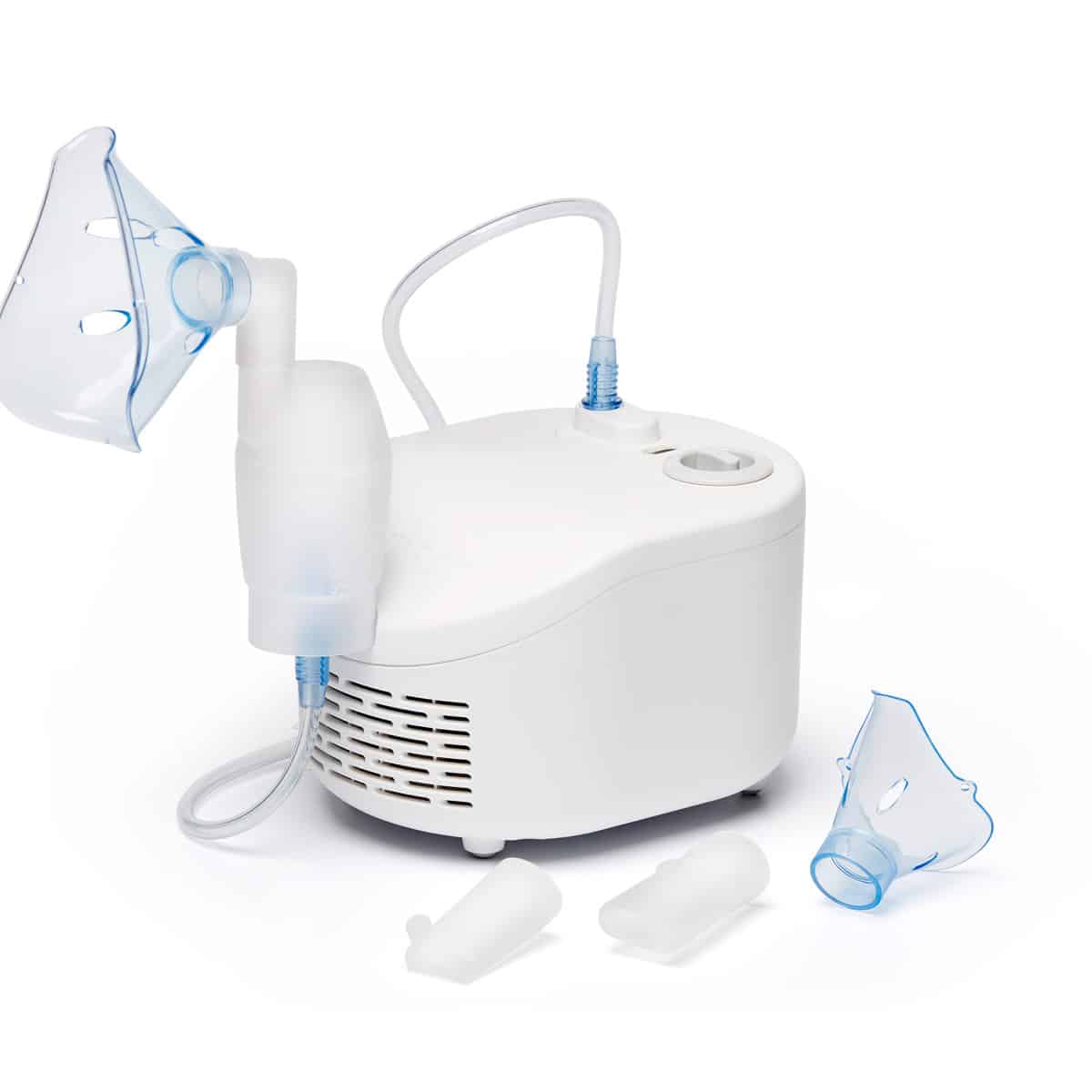
How do you use an aerosol device?
An inhaler or aerosol will only work correctly if it is used properly. Caution:
- Breathing technique: have the patient breathe calmly and deeply
- Position: sitting upright or standing for optimal lung access
- Cleaning: rinse parts after each use, replace filters regularly
Common errors include inhaling too short, connecting masks incorrectly or forgetting to perform maintenance. Education of patients and caregivers is crucial.
Quality aerosol devices for Belgium and the Netherlands
Hospidex supplies high-quality aerosol and inhalation systems to professional healthcare providers in Belgium and the Netherlands. All devices are CE approved and are delivered quickly and correctly. Our experts are available for advice and support.
Want to know more? Check out the offer at hospidex.eu or contact us for a free quote.
Have a question about this article? Contact.

Kimberlie Hanna
MARKETING MANAGER
Please fill out the form to the right if you have questions about any of our news items. You can also ask questions about our participation in certain fairs or conferences here.